Discover How HIV Treatments Support Better Health and Long Term Well Being
Over the past few decades, understanding of HIV has changed significantly. What was once seen as a life-threatening condition with limited options is now managed with structured medical care and ongoing monitoring. HIV Treatments have played a major role in this shift, helping people live longer and maintain a stable quality of life.
HIV affects the immune system, which is responsible for protecting the body from infections. Without proper care, the immune system becomes weaker over time. However, with consistent treatment and awareness, many people are able to maintain their health and continue their daily routines with fewer disruptions.
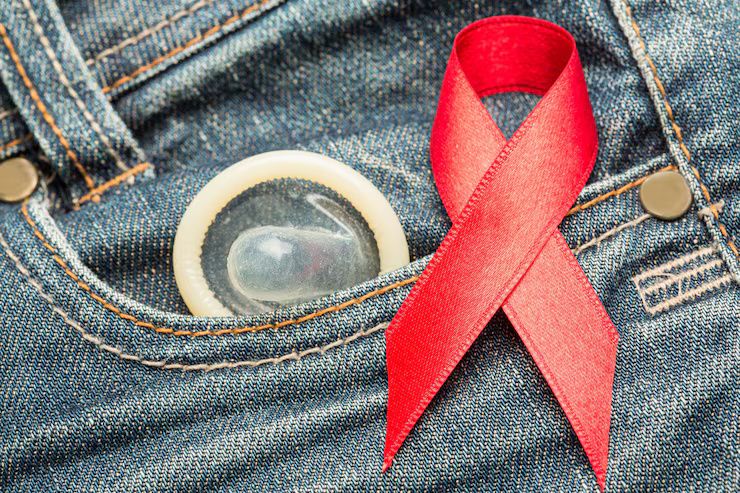
It’s important to understand that treatment is not only about managing symptoms. It is also about maintaining long-term health, reducing complications, and supporting overall well-being.
Importance
Access to proper treatment has a direct impact on both physical health and daily life.
Supporting Immune System Health
The immune system plays a central role in protecting the body.
- Maintains defense against infections: Helps the body respond to illnesses
- Reduces risk of complications: Prevents serious health issues
- Supports long-term stability: Helps maintain consistent health
HIV Treatments are designed to support the immune system and prevent further damage.
Improving Quality of Life
Treatment helps individuals maintain their daily routines.
- Better energy levels: Allows normal activities
- Reduced health concerns: Fewer interruptions in daily life
- Emotional stability: Provides reassurance and structure
With proper care, many people are able to manage their condition effectively.
Preventing Disease Progression
Without treatment, HIV can progress and affect overall health.
- Slows down virus activity: Helps control its impact
- Protects immune cells: Maintains body strength
- Reduces long-term risks: Supports healthier outcomes
This makes early and consistent treatment important.
Recent Updates
Advancements in medical research have improved how HIV is managed.
Simplified Treatment Approaches
Modern treatment methods are easier to follow.
- Reduced complexity: Fewer steps compared to earlier methods
- Improved consistency: Helps maintain regular treatment
- Better tolerance: Designed to suit long-term use
Long-Acting Treatment Options
Some newer approaches focus on reducing frequency.
- Extended duration methods: Reduce daily routines
- Improved convenience: Easier to maintain consistency
- Support for adherence: Helps avoid missed schedules
Monitoring and Testing Improvements
Better tools help track health progress.
- Regular health checks: Monitor immune system status
- Viral load testing: Tracks activity levels
- Early detection of changes: Allows timely adjustments
Awareness and Education
Increased awareness has improved understanding.
- Better information access: Helps people stay informed
- Reduced stigma: Encourages open discussion
- Support networks: Provide guidance and reassurance
Laws or Policies
HIV care is supported by various health policies and regulations.
Confidentiality and Privacy
Personal health information is protected.
- Secure medical records: Maintain privacy
- Confidential testing: Protect individual identity
- Respect for personal rights: Ensures dignity
Access to Treatment
Healthcare systems aim to provide access to care.
- Availability of treatment options: Ensures continuity
- Guidelines for care: Standardize treatment approaches
- Support programs: Help individuals access care
Anti-Discrimination Policies
Individuals are protected from unfair treatment.
- Workplace protection: Prevent discrimination
- Healthcare access: Ensure equal treatment
- Legal safeguards: Support individual rights
Public Health Guidelines
Authorities provide recommendations for prevention and care, helping maintain community health.
Tools and Resources
Managing HIV effectively involves using available tools and support systems.
Medical Monitoring Tools
- Regular health checkups: Track overall condition
- Laboratory tests: Monitor immune response
- Health records: Keep track of progress
These tools support effective use of HIV Treatments.
Lifestyle Support Practices
- Balanced nutrition: Supports overall health
- Regular physical activity: Helps maintain strength
- Adequate rest: Improves recovery and well-being
Educational Resources
- Health information platforms: Provide reliable knowledge
- Awareness programs: Improve understanding
- Community support groups: Offer shared experiences
Treatment Adherence Practices
- Consistent routines: Help maintain regular schedules
- Reminders and tracking: Support adherence
- Follow-up consultations: Ensure ongoing care
Emotional and Social Support
- Counseling support: Helps manage stress
- Peer groups: Provide encouragement
- Family support: Plays an important role
FAQs
What are HIV treatments used for?
HIV Treatments are used to manage the virus, support the immune system, and help maintain long-term health.
Can HIV treatments improve daily life?
Yes, proper treatment can help individuals maintain energy levels, reduce health complications, and continue daily activities.
Why is early treatment important?
Early treatment helps protect the immune system and reduces the risk of disease progression.
Are regular checkups necessary during treatment?
Yes, regular monitoring helps track progress and ensures that treatment remains effective.
Can people live long lives with HIV treatments?
With consistent care and monitoring, many individuals are able to maintain stable health over time.
Conclusion
HIV treatment has evolved into a structured and manageable approach that supports long-term health and stability. With proper care, monitoring, and awareness, individuals can maintain their well-being and continue their daily routines.
Understanding the importance of treatment, staying consistent, and using available resources all contribute to better outcomes. Over time, these efforts help create a more balanced and manageable approach to living with HIV.

Related Post...

Everything You Need to Know About Screw in Teeth for Better Oral Health
Updated: April 17, 2026
Read More
Discover How HIV Treatments Support Better Health and Long Term Well Being
Updated: April 17, 2026
Read More